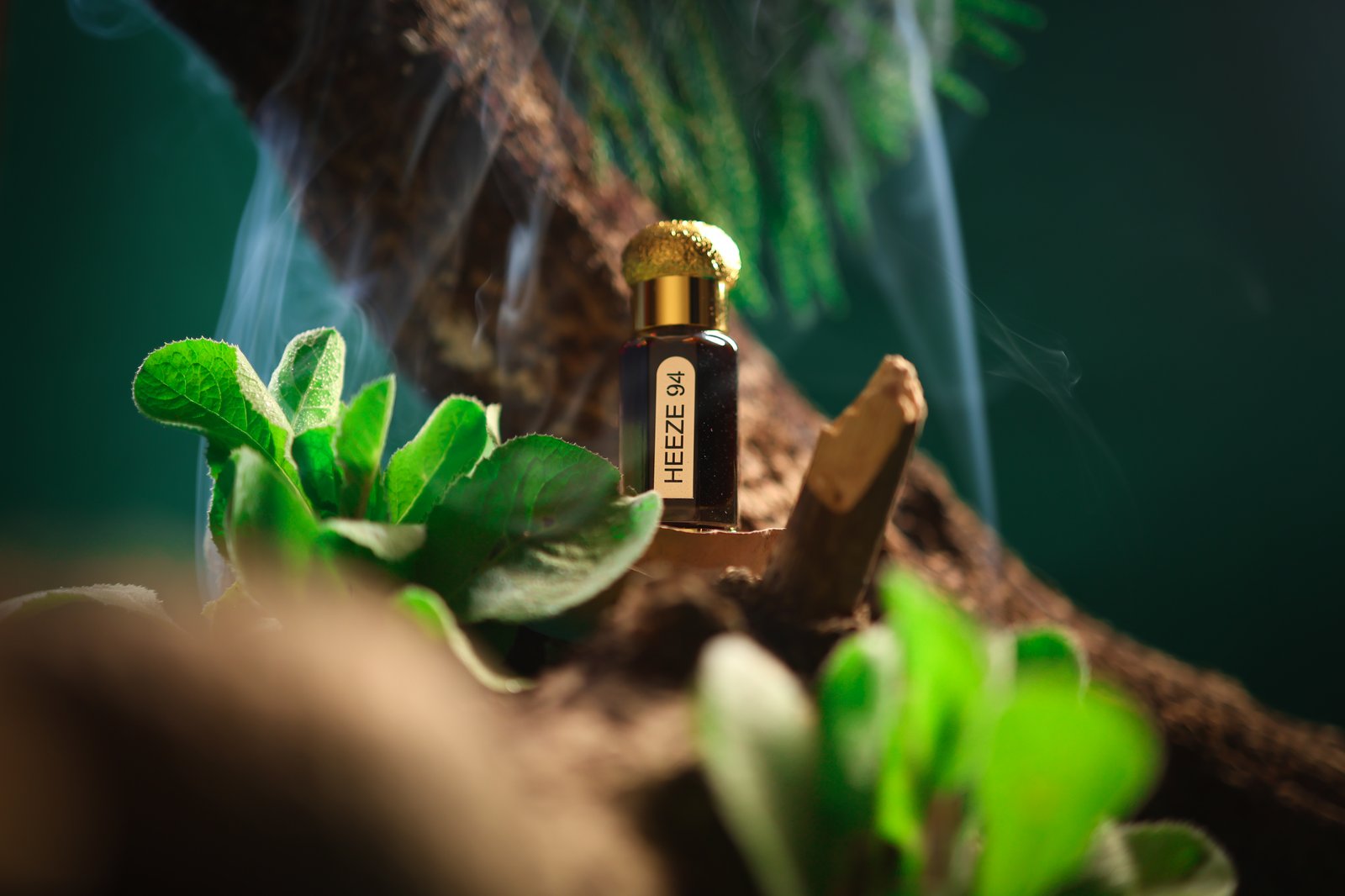
Attar is the oldest form of perfumery in the world, and in some ways the most misunderstood. It isn't a "lighter" or "weaker" version of perfume — it's a completely different category, built on oil instead of alcohol, and it rewards a different kind of attention.
What attar actually is
Attar (also spelled ittar) is fragrance oil in its purest form — concentrated aromatic compounds, traditionally extracted from raw materials like oud, rose, or musk, suspended in a carrier oil rather than alcohol. There's no dilution with water or ethanol, no top notes designed to evaporate quickly for a first impression. What you smell in the bottle is very close to what you'll smell on skin an hour later.
This is also why attar is alcohol-free by nature, which matters for religious and personal reasons for many wearers, and why it doesn't behave like a spray. It doesn't project outward the way an alcohol-based perfume does. It sits closer to the skin, which is exactly the point — attar was never designed to fill a room. It was designed to be discovered by whoever gets close enough.
Why it develops differently on everyone
Oil interacts with the skin's own natural chemistry — pH, warmth, even diet can shift how an attar reads on one wearer versus another. This is the reason two people wearing the same HEEZE 94 attar can smell noticeably different by the afternoon. It isn't inconsistency in the product; it's the oil responding to your specific skin. An alcohol-based spray evaporates too quickly for this kind of interaction to matter much. Attar, worn for hours, has time to have a conversation with the person wearing it.
How to apply it properly
Dab, don't rub. The most common mistake is treating attar like a lotion — smoothing it across a wide area. A little goes a long way, so apply small amounts precisely:
- Pulse points first. Inner wrists, the base of the throat, behind the ears — anywhere warmth naturally rises helps the oil open and diffuse gently through the day.
- Let it sit. Attar needs your skin's own heat to bloom. Applying and immediately covering it with a sleeve, or rushing out into cold air, mutes it.
- Resist the urge to reapply too soon. Because attar doesn't evaporate the way alcohol does, it's easy to think it's "gone" after a few hours when it's actually just settled into a quieter, deeper phase. Give it time before deciding it needs a top-up.
- One honest application is usually enough. Where a spray might need three or four applications through a long day, a well-placed dab of attar at pulse points in the morning often carries into the evening.
A note on longevity
Oil binds to skin in a way alcohol simply doesn't, which is the entire secret behind attar's reputation for extraordinary wear time. It isn't magic — it's chemistry. The oil forms a base that continues to release scent slowly over many hours, sometimes into the next day on fabric or hair. This is also why attar is traditionally worn on clothing as well as skin in many cultures — a drop on a scarf or the inside of a collar can outlast the day itself.
HEEZE 94's attars
Black Oud, Golden Oud and Rose Musk are each built the traditional way — no shortcuts, no synthetic dilution for the sake of a lower price point. If you're new to attar, start with a single pulse point application and give it the full day before judging it. It's a different relationship with fragrance than you may be used to, and it's worth the patience.